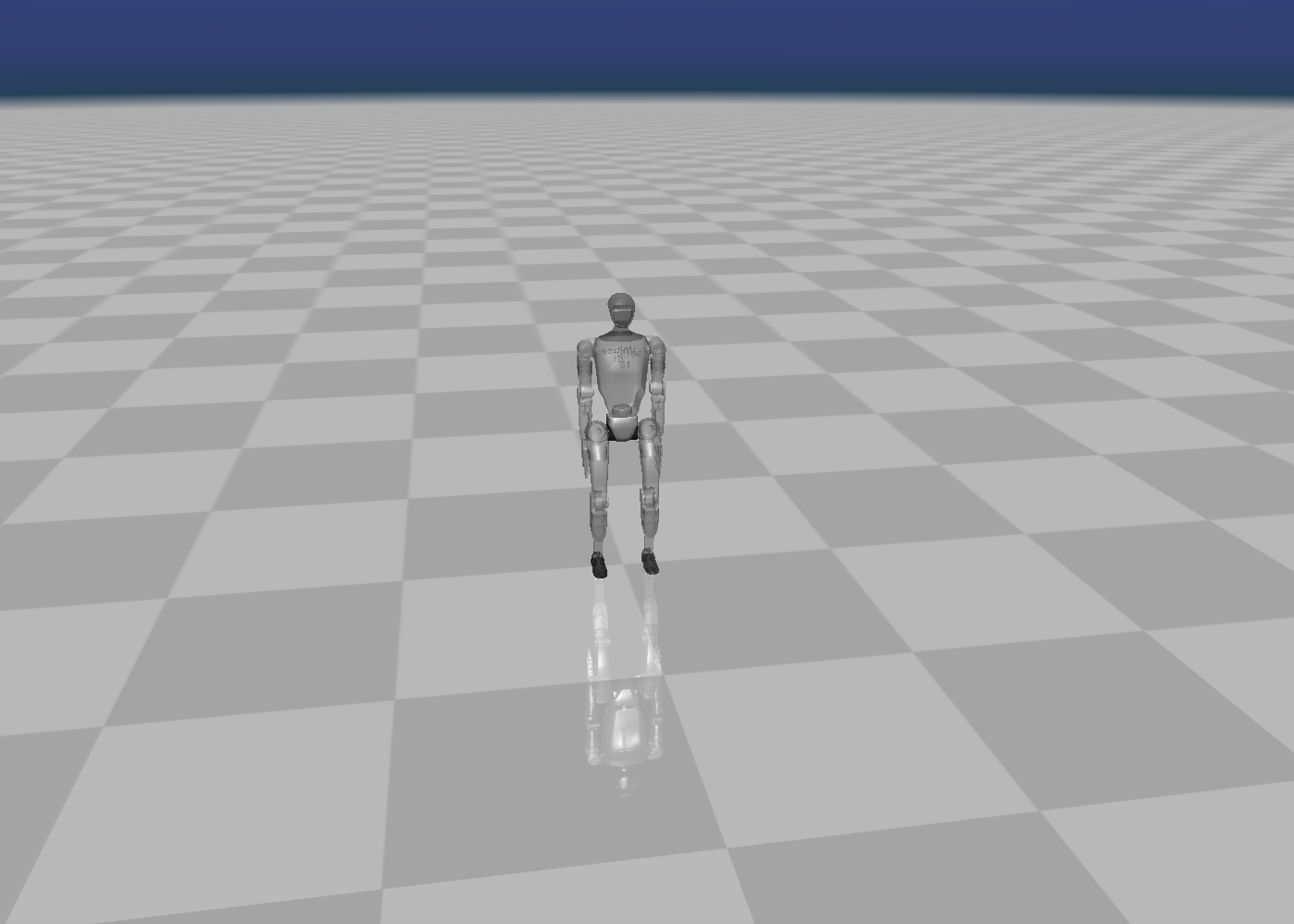
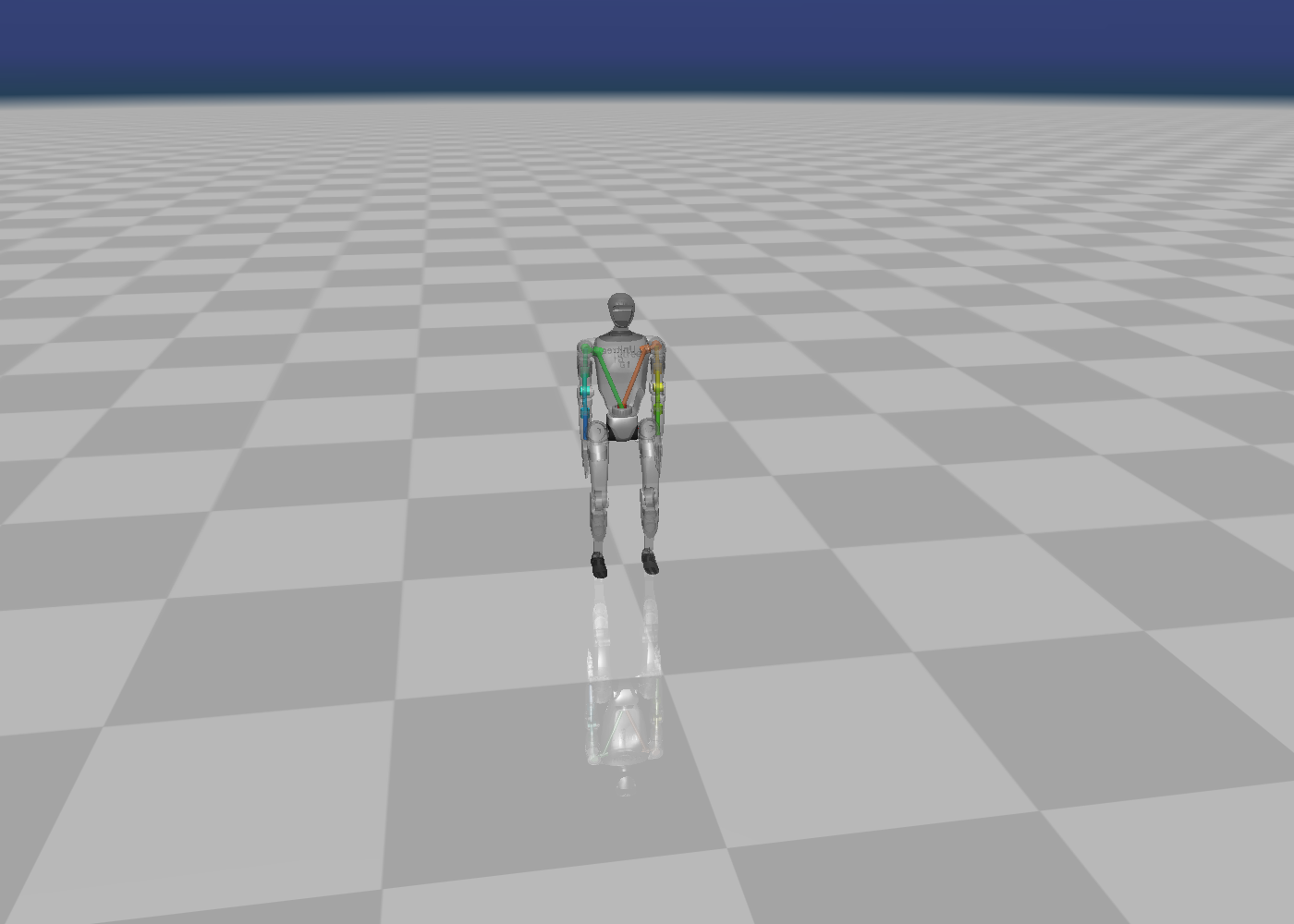
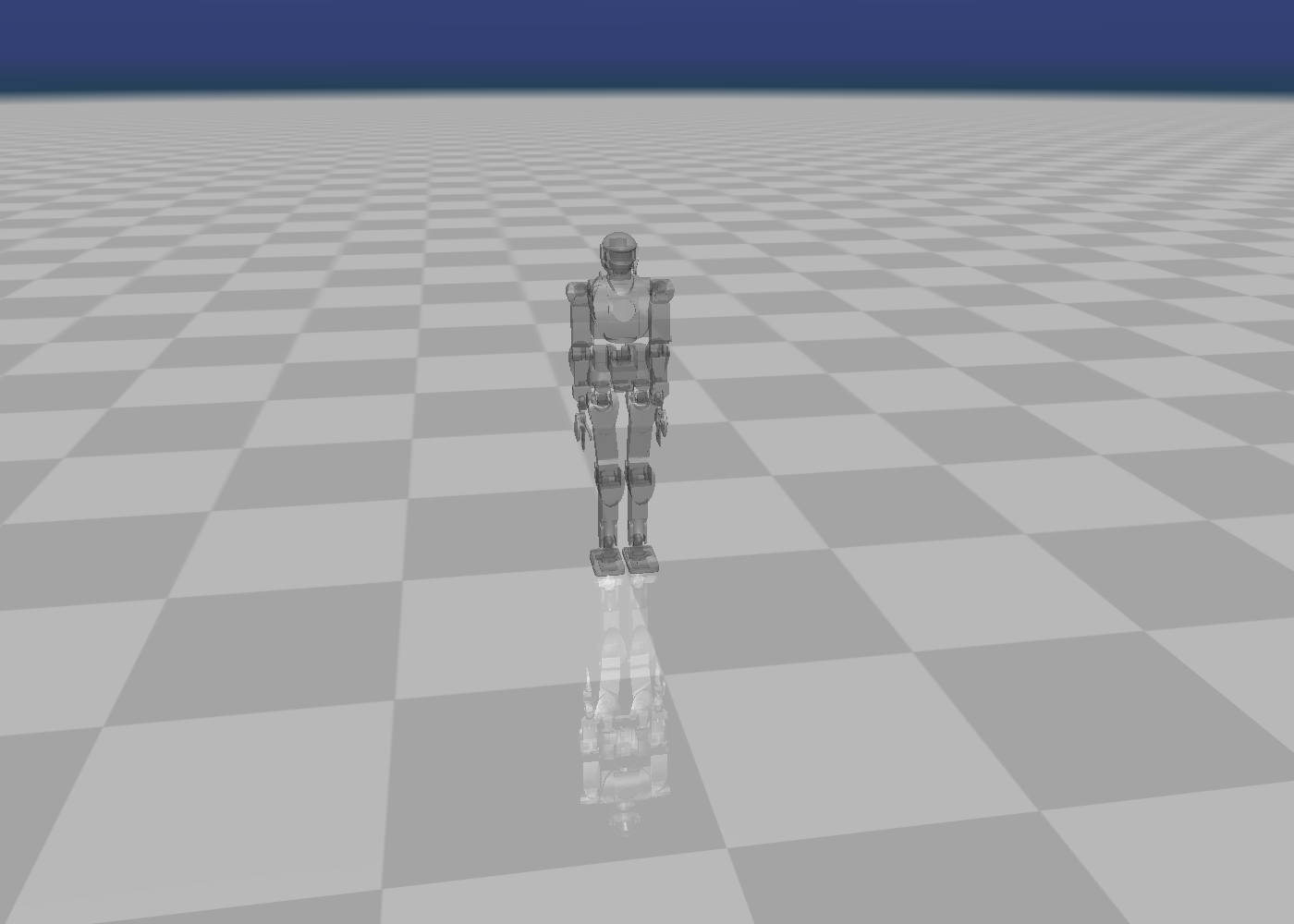
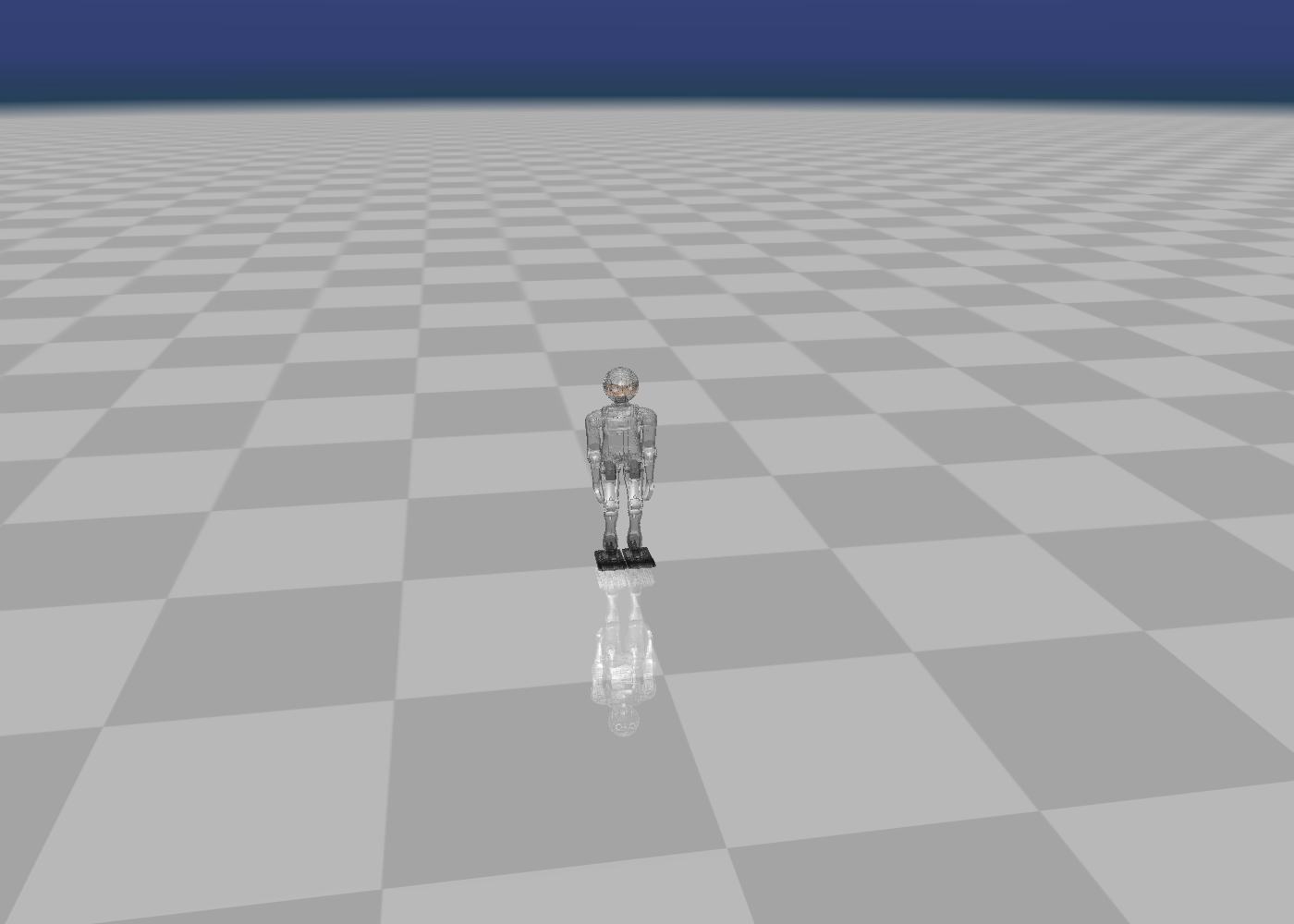
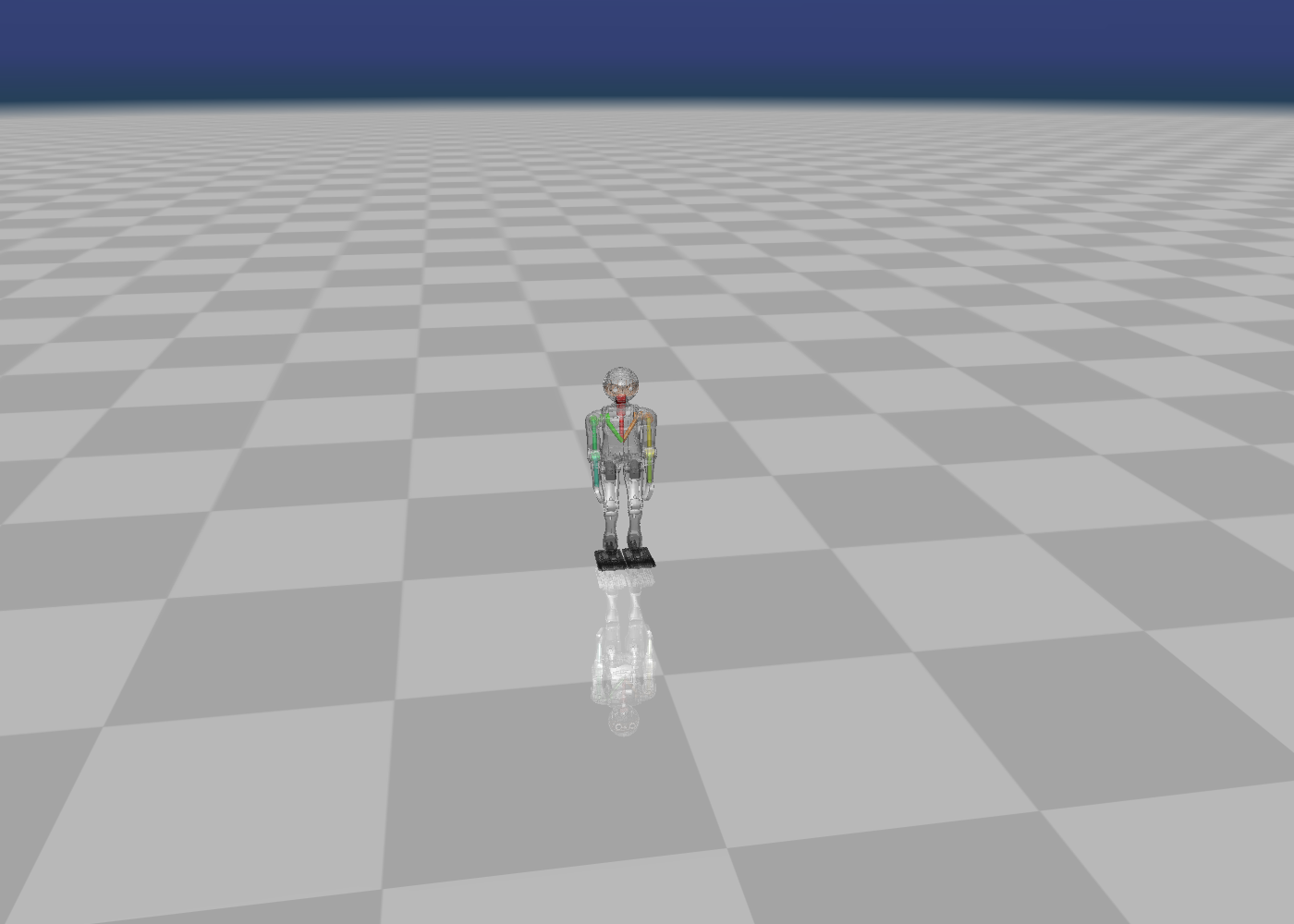
Designing robot morphologies and kinematics has traditionally relied on human intuition, with little
systematic foundation. Motion–design co-optimization offers a promising path toward automation, but two
major challenges remain:
(i) the vast, unstructured design space and
(ii) the difficulty of constructing task-specific loss functions.
We propose a new paradigm that minimizes human involvement by:
-
Learning the design search space from existing mechanical designs, rather than
hand-crafting it.
-
Defining the loss directly from human motion data via motion retargeting and
Procrustes analysis.
Using screw-theory-based joint axis representation and isometric manifold
learning, we
construct a compact,
geometry-preserving latent space of robot designs in which optimization is tractable.
We then solve design optimization in this latent space using gradient-free optimization.
Our approach establishes a principled framework for data-driven robot design and demonstrates that
leveraging existing designs and human motion can effectively guide the automated discovery of novel robot
design.